
Preparing for a new baby involves countless decisions, and one of the most important is ensuring your infant car seat is installed correctly. When I look back at photos of my babies in our car, I cringe! I had no idea that car seats could be installed incorrectly, and that there are people who volunteer to help ensure babies/children ride safely. I’m now a very proud CPST! If I am the CPST who checks your car seat, you can rest assured there will be no judgment or criticism from me, just kindness and compassion. (Actually, this is true for all of our local CPSTs!)
When Should I Schedule My Car Seat Check?
A car seat installation check is a hands-on opportunity for expecting parents to learn how to use their car seat safely and confidently. Ideally, this should be scheduled around 35 to 36 weeks of pregnancy. This gives families time to practice and make adjustments before the baby arrives.
Before the appointment, expecting parents should read both the car seat manual and their vehicle’s manual. Watching installation videos from the car seat manufacturer is also highly recommended. These resources provide a strong foundation and help parents arrive with a basic understanding of how the seat is designed to work.
What Happens During the Check?
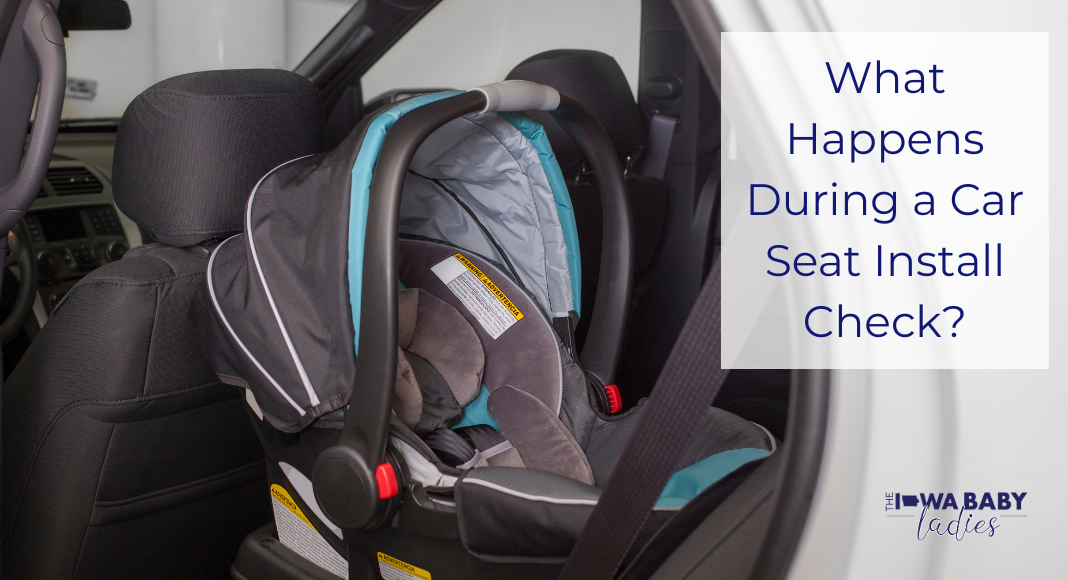
During the check, parents are encouraged to attempt the installation themselves first. This allows the Certified Child Passenger Safety Technician (CPST) to observe how the seat is being used and identify any areas that may need correction. The goal is not to judge but to educate and empower families with the knowledge they need to keep their child safe.
One of the first things a CPST will look for is a tight fit. The seat should not move more than one inch side to side or front to back when tested at the belt path. A loose installation is one of the most common issues found during checks and can significantly reduce the effectiveness of the seat in a crash.
Next, the technician will check that the seat is level to the ground. Most infant car seats have a built-in recline indicator, and it is crucial that the seat is positioned correctly to protect the baby’s airway. If the angle is too upright, a newborn’s head could fall forward, potentially restricting breathing.
The CPST will also examine the seat for any after-market products. Items such as head supports, strap covers, or seat protectors that did not come with the car seat may interfere with its performance. Only accessories approved by the car seat manufacturer should be used.
Best Practices
Best practices are discussed throughout the appointment. These include choosing the safest seating position in the vehicle, understanding when to transition to the next stage of car seat, and learning how to secure the harness properly. Expecting parents will also get hands-on experience buckling in a weighted doll to simulate how their baby should be positioned. This is my favorite part of the check! I love teaching families about safety for their baby!
By the end of the check, expecting parents should feel confident in their ability to install the seat and secure their baby safely. It is a valuable step in preparing for parenthood and one that can make a life-saving difference.
How Do I Schedule My Car Seat Check?
To schedule your car seat check, send me an email to katie@theiowababylady.com or visit Safe Kids Worldwide. You can also visit Bob Brown Chevrolet on the first Thursday of each month from 5-7pm.
Here’s a quick checklist to “Pass” your Car Seat Check!
- Is your car seat level to the ground?
- Use your non-dominant hand to grab the car seat base close to the vehicle seat and try to move it back and forth. It should not move more than an inch. (Use the amount of force you use when shaking someone’s hand.)
- Do not install with both LATCH anchors AND Seatbelt, unless your manual says it is ok.
- Do not have any aftermarket products, such as mirrors, cameras, seat mats, etc.






Leave a Reply